

Wine isn't loaded with sugar.
This month's wine correction: kiss your sugar fears away (and save them for the checkout aisle).

At the close of 2022, we were brave and tackled sulfites. In fact, I made it my New Year’s Resolution to never write the word “sulfites” again. I see now what I’ve done.
So where do we go from here? Sugar! Oh, honey honey, you are essential to wine, and you’ve got everyone out here trippin’ toooooooooo.
What I mean by that is: you can’t have wine without sugar, and we’re a little confused about this. I’ve seen some less-than-ethical advertising taking advantage of this point of confusion and my dear reader, I won’t have you be taken advantage of.
So lemme break down our guest today: Sugar aka Azucar aka Zucchero aka le Sucre, depending on what wine you’re drinking.
What’s sugar got to do with it?
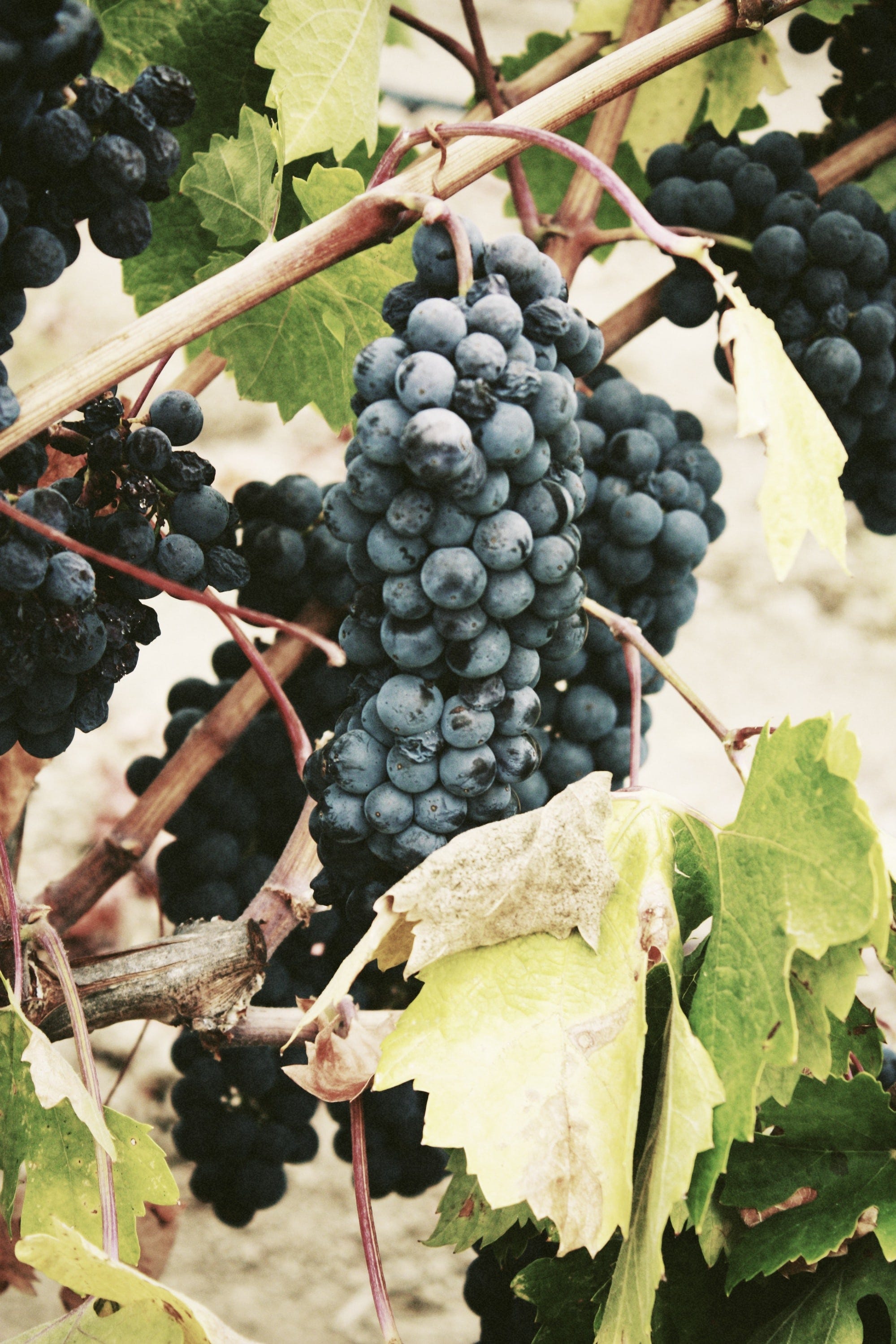
Sugar develops in the grapes as they hang on the vine. Then, some enthusiastic wino picks them and brings them into the winery like the gold relics they are. They crush the grapes, causing the skins to split open and expose the sugars. Then, yeast is introduced.
Yeast looooooves sugar.
In an homage to Rumpelstiltskin, yeast spins the sugar into alcohol. This is called fermentation. And in the process, it releases all these different, wild aromas that some other enthusiastic winos can’t stop talking about. Some of these weirdos make their whole life about these aromas.
Freaks.
And that’s how wine is made. As the sugar is converted to alcohol, the sugar levels in your wine go down and the alcohol levels go up.
Depending on how ripe the grapes are when they’re picked (aka how much sugar they have to begin with), you might still find some residual sugar (RS) in the wine when fermentation is complete.
How much sugar is left in a bottle of wine?
The style of wine is a factor here. In general, though, a glass of dry wine contains about 1-2 grams of sugar. The American Heart Association says that men shouldn’t have more than 36 grams a day and women should keep it under 25 grams.
Even better news: dry wine is plentiful, and it’s likely the style that you’re drinking now is dry (you do have a glass of wine in your hand, right?).
Quick shoutout to my mom who introduced me to sugar at a young age. I have a problem with sugar and as I get older I’m working on it. So what I do is cut the sweets out of almost everything else I eat: it’s unsweetened yerba mate, low sugar yogurt (or I find a sugar-free way to get that nutritional value), sugarful-Ketchup be gone—you are offensive, honestly. It’s a soda-less life, a homemade soup situation, a no-OJ-way of living.
But Dove chocolates and wine? Shantay, you stay.
You start to see higher levels of sugar as you get to off-dry styles, sweet wines, and dessert wines.
Here are the driest wines and the next best’s.
If you’re watching your sugar and want to have wine, here are the types of wine with the lowest levels of residual sugar. This list is excluding dessert wines, which are very sweet, and some varietals that can be made in every style.
Keep in mind that you can also go into your local wine shop and say “I need the five driest wines you’ve got.”
Bone Dry Wines
Pinot Grigio/Gris
Muscadet
Fiano
Grüner Veltliner
Verdicchio
Sauvignon Blanc
Falanghina
Sangiovese
Nero d’Avola
Brut, Extra Brut, Brut Nature Sparkling Wines
Other Dry Wines
Cabernet Sauvignon
Cabernet Franc
Pinot Noir
Albariño
Chardonnay
Viognier
Some Rieslings
Montepulciano
Extra Dry Sparkling Wines
Off-Dry Wines
Gewürztraminer
Some Rieslings
Chenin Blanc (can be dry, off-dry, or sweet)
Lambrusco
Cremant
Dry Sparkling Wines (I know)
Sweet Wines
Demi-sec, Doux Sparkling Wines
Some Rieslings
Where’s the lie?
A final word: stating that your wine contains “zero-added sugar” is not a lie. It’s misleading in that it leads us to think that other wine does have added sugar, which is largely untrue. This is the bad kind of confusing. The moral of the story is that you don’t need to seek out sugar-free wine, you just need to keep shopping for dry wine.